The Butterfly Lovers
Introduction
The Butterfly Lovers is a renowned Chinese legend that has been affectionately compared to the Western tale of Romeo and Juliet. It tells the tragic love story between Liang Shanbo and Zhu Yingtai, two star-crossed lovers who are ultimately transformed into butterflies, symbolizing their eternal bond. The legend has inspired numerous adaptations across various art forms, including ballet, opera, music, film, and stage productions, making it a cultural treasure in Chinese artistic heritage. The story's appeal lies in its universal themes of love, sacrifice, and transformation, resonating with audiences both in China and around the world.
Historical Background
The tale of The Butterfly Lovers is believed to have originated during the Eastern Jin Dynasty (317-420) in China and has since been passed down through generations, evolving into various forms and interpretations. The story reflects the cultural and social norms of its time, addressing themes such as gender roles and familial duty. Zhu Yingtai, the female protagonist, boldly defies traditional gender expectations by disguising herself as a male to pursue an education, a theme that highlights the constraints and challenges women faced in ancient Chinese society. The legend's enduring appeal is attributed to its rich emotional depth and the symbolic transformation of the lovers into butterflies, which is seen as a metaphor for freedom and transcendence beyond societal barriers.
Plot Summary
The legend of The Butterfly Lovers follows the journey of Zhu Yingtai, the daughter of a wealthy family, who disguises herself as a boy to attend an academy. During her studies, she meets Liang Shanbo, a kind and intelligent young man, with whom she forms a close bond. As their friendship blossoms, Zhu falls in love with Liang but keeps her true identity hidden. Upon leaving the academy, Zhu hints at her real gender, and Liang realizes her identity, leading him to propose marriage. However, Zhu's father has already arranged her betrothal to Ma Wencai. Heartbroken, Liang succumbs to illness and dies. On her wedding day, Zhu visits Liang's tomb and, overwhelmed by grief, takes her own life. The lovers' spirits transform into butterflies, signifying their eternal love and freedom.
Themes and Motifs
The Butterfly Lovers encompasses several enduring themes, including the power of love, the struggle against societal constraints, and the idea of transformation. The love between Liang Shanbo and Zhu Yingtai transcends social boundaries, showcasing the strength of their bond despite external pressures. The motif of transformation is symbolized by the metamorphosis of the lovers into butterflies, representing liberation and eternal unity. The story also touches on themes of self-identity and defiance of traditional roles, as embodied by Zhu's decision to disguise herself as a male student. These themes contribute to the story's timeless appeal and its ability to resonate with audiences across cultures and generations.
Cultural Significance
The Butterfly Lovers holds significant cultural importance within Chinese literature and performing arts. It is often referred to as the "Chinese Romeo and Juliet," highlighting its role as a romantic tragedy in Chinese folklore. The legend has been adapted into various artistic expressions, including the acclaimed ballet by the Shanghai Ballet, which premiered in 2001. The story's influence extends beyond China, with adaptations and performances worldwide, demonstrating its universal themes and appeal. The tale continues to serve as a source of inspiration, fostering a deep connection with Chinese cultural identity and artistic tradition.
Adaptations
Stage Adaptations
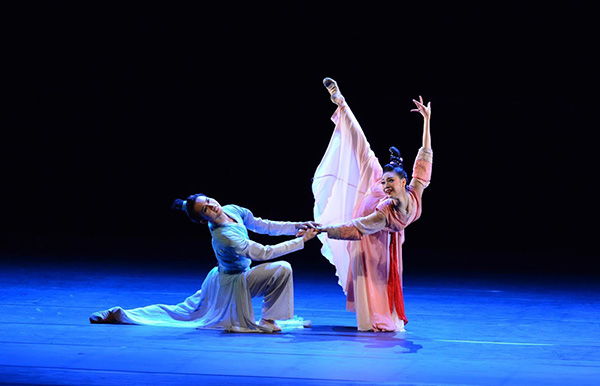
The story of The Butterfly Lovers has been adapted into numerous stage productions, including traditional Chinese operas such as Yueju Opera and contemporary ballet performances. The Shanghai Ballet's adaptation, premiered in 2001, is a significant interpretation that blends Western ballet techniques with traditional Chinese cultural elements. The ballet is divided into four acts, each representing a different season and capturing the emotional and narrative arc of the story. Hong Kong Ballet and Beijing Dance Academy have also created unique adaptations, incorporating elements of traditional Chinese dance and modern choreography to reinterpret the classic tale.
Film and Television Adaptations
The legend has been adapted into various films and television series, capturing the story's emotional depth and visual beauty. These adaptations often emphasize the narrative's tragic romance and cultural symbolism, appealing to audiences seeking both traditional and modern interpretations. The cinematic renditions of The Butterfly Lovers continue to explore the timeless themes of love, sacrifice, and transformation, bringing the story to life through visual storytelling and artistic cinematography.
Musical Adaptations
One of the most celebrated musical adaptations is the Butterfly Lovers Violin Concerto, composed by He Zhanhao and Chen Gang in 1958. This concerto has become a staple in Chinese classical music, renowned for its lyrical melodies and emotional expression. The piece combines elements of Western symphonic structure with traditional Chinese musical themes, encapsulating the story's romantic and tragic essence. The concerto has been performed by renowned musicians worldwide, further solidifying its status as a cultural masterpiece.
References in Popular Culture
The tale of The Butterfly Lovers has permeated popular culture, influencing literature, music, and art. Its themes of love and transformation have been referenced in various contemporary works, showcasing the story's continued relevance and inspiration. The legend's symbolic imagery, particularly the motif of butterflies, is often used to convey themes of freedom and eternal love in modern artistic expressions. The story's impact is evident in its presence across diverse cultural mediums, highlighting its timeless appeal and universal significance.








